

Tuna salad. Just the mention of it conjures up images of comforting lunches, quick weeknight dinners, and the satisfying blend of creamy, savory, and often a hint of tang. It’s a classic for a reason, a culinary chameleon that can be as simple or as sophisticated as you desire. But what is it about this seemingly humble dish that keeps us coming back for more? Is it the effortless preparation, the budget-friendly nature, or perhaps the sheer versatility? I’d argue it’s a potent combination of all these things, plus that undeniable, nostalgic comfort it brings. Today, we’re diving deep into what makes a truly exceptional tuna salad, moving beyond the basic and exploring the nuances that elevate it from good to absolutely unforgettable. Get ready to discover your new favorite way to enjoy this beloved staple.”
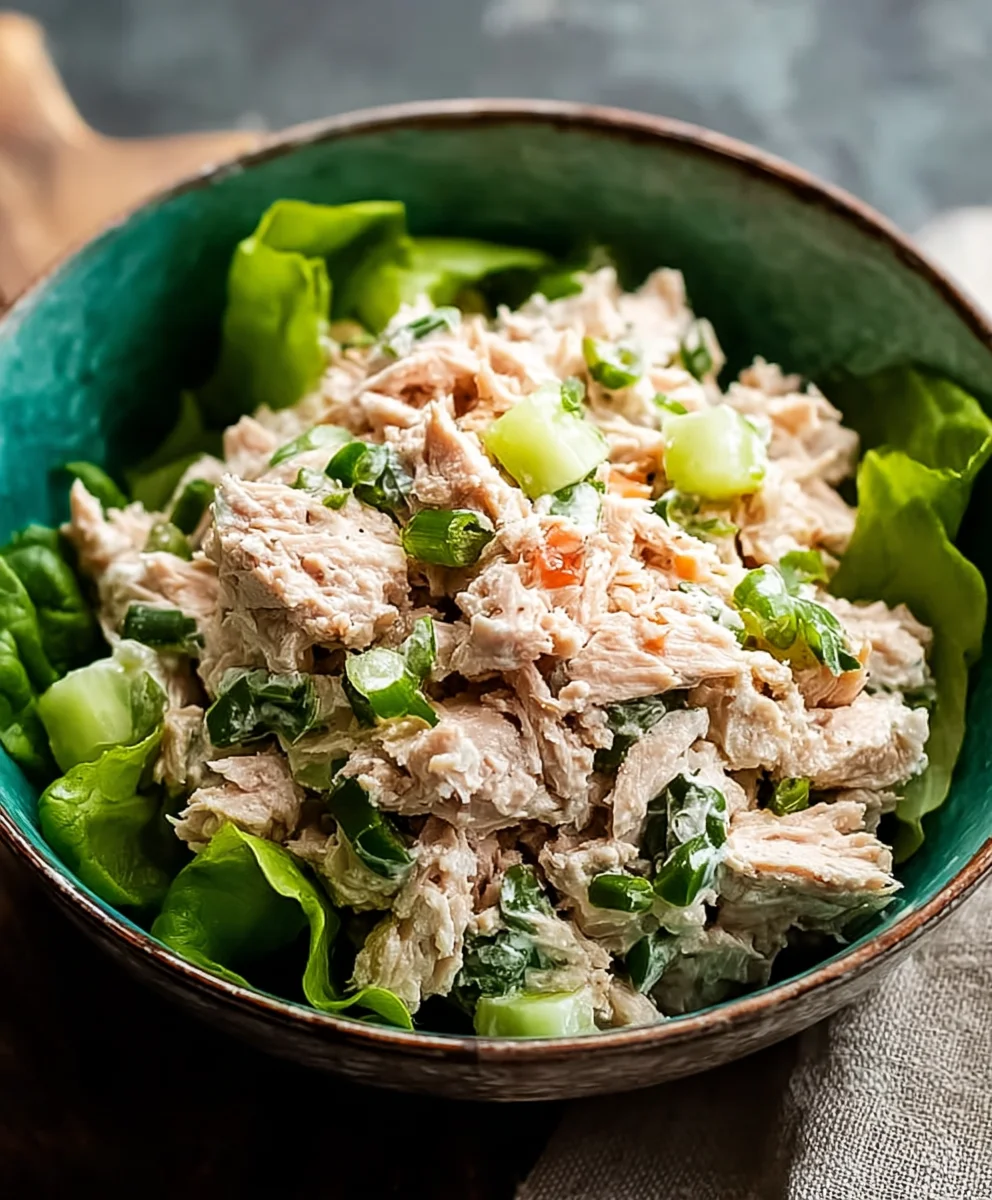
Ingredients:
- 2 (5 oz) cans tuna, drained
- 1/4 cup mayonnaise
- 1 celery stalk, finely diced
- 2 tbsp red onion, finely diced
- 1-2 tbsp chopped fresh herbs (such as parsley or chives, or a mix)
- 1/2 tbsp Dijon mustard
- Salt and freshly ground black pepper, to taste
Preparing the Tuna Base
The foundation of a truly exceptional Tuna Salad lies in its core ingredients, and we’re starting with the best. Begin by opening your two 5-ounce cans of tuna. It’s crucial to drain these cans thoroughly. You can do this by using the lid to press down on the tuna and tipping the can over the sink, or by using a fine-mesh sieve for a more thorough drain. Excess liquid can lead to a watery Tuna Salad, so take your time with this step. Once drained, transfer the tuna to a medium-sized mixing bowl. Using a fork, gently flake the tuna into bite-sized pieces. Avoid over-mashing; we want some texture in our salad.
Adding Creaminess and Tang
Next, we introduce the elements that bind our Tuna Salad together and provide its signature flavor profile. Add the 1/4 cup of mayonnaise to the flaked tuna. For a richer, tangier Tuna Salad, you can use a full-fat mayonnaise. If you prefer a lighter option, a reduced-fat mayonnaise will also work, though it might alter the consistency slightly. Following the mayonnaise, incorporate the 1/2 tablespoon of Dijon mustard. Dijon mustard brings a subtle but distinct peppery bite and a sophisticated tang that elevates the overall taste of the Tuna Salad far beyond what plain mayonnaise can achieve. Stir these wet ingredients into the tuna, ensuring they are evenly distributed without breaking down the tuna too much.
Incorporating Freshness and Crunch
Now it’s time to add the elements that provide texture and vibrant freshness. Finely dice one celery stalk. The celery should be diced quite small to ensure it integrates well and offers a pleasant crunch without being overpowering. Aim for pieces no larger than a pea. Add the diced celery to the bowl. Following the celery, finely dice 2 tablespoons of red onion. Red onion offers a slightly sweeter and milder flavor than yellow or white onions, making it ideal for Tuna Salad. Again, ensure the dice is fine and consistent. If you find raw red onion a bit too sharp for your liking, you can soak the diced onion in cold water for about 10 minutes and then drain it thoroughly before adding it to the salad; this mellows its bite. Stir the diced celery and red onion into the tuna and mayonnaise mixture.
Infusing with Herbs and Seasoning
The final touch to creating a truly memorable Tuna Salad is the addition of fresh herbs and careful seasoning. Measure out 1 to 2 tablespoons of chopped fresh herbs. A combination of finely chopped fresh parsley and chives works wonderfully, offering a bright, herbaceous lift. You can adjust the amount of herbs to your personal preference. Some people enjoy a very herb-forward Tuna Salad, while others prefer just a hint. Add your chosen herbs to the bowl. Now, it’s time to season. Add salt and freshly ground black pepper to taste. Start with a small pinch of salt and a few grinds of pepper, then taste and adjust as needed. It’s always better to add seasoning gradually. Remember that tuna itself can have some saltiness, so taste before adding too much.
Mixing and Chilling
Once all the ingredients are in the bowl, gently mix everything together until it is just combined. Be careful not to overmix, as this can make the Tuna Salad mushy. The goal is to distribute the mayonnaise, mustard, vegetables, and herbs evenly throughout the tuna. For the best flavor, cover the bowl tightly with plastic wrap or a lid and refrigerate for at least 30 minutes. This chilling time allows the flavors to meld and develop, creating a more cohesive and delicious Tuna Salad. The cold also helps to firm up the mayonnaise, leading to a better texture. You can prepare this Tuna Salad a few hours in advance, or even the day before, for even deeper flavor integration. Before serving, give it another gentle stir. Taste one last time and adjust salt and pepper if necessary.
Conclusion:
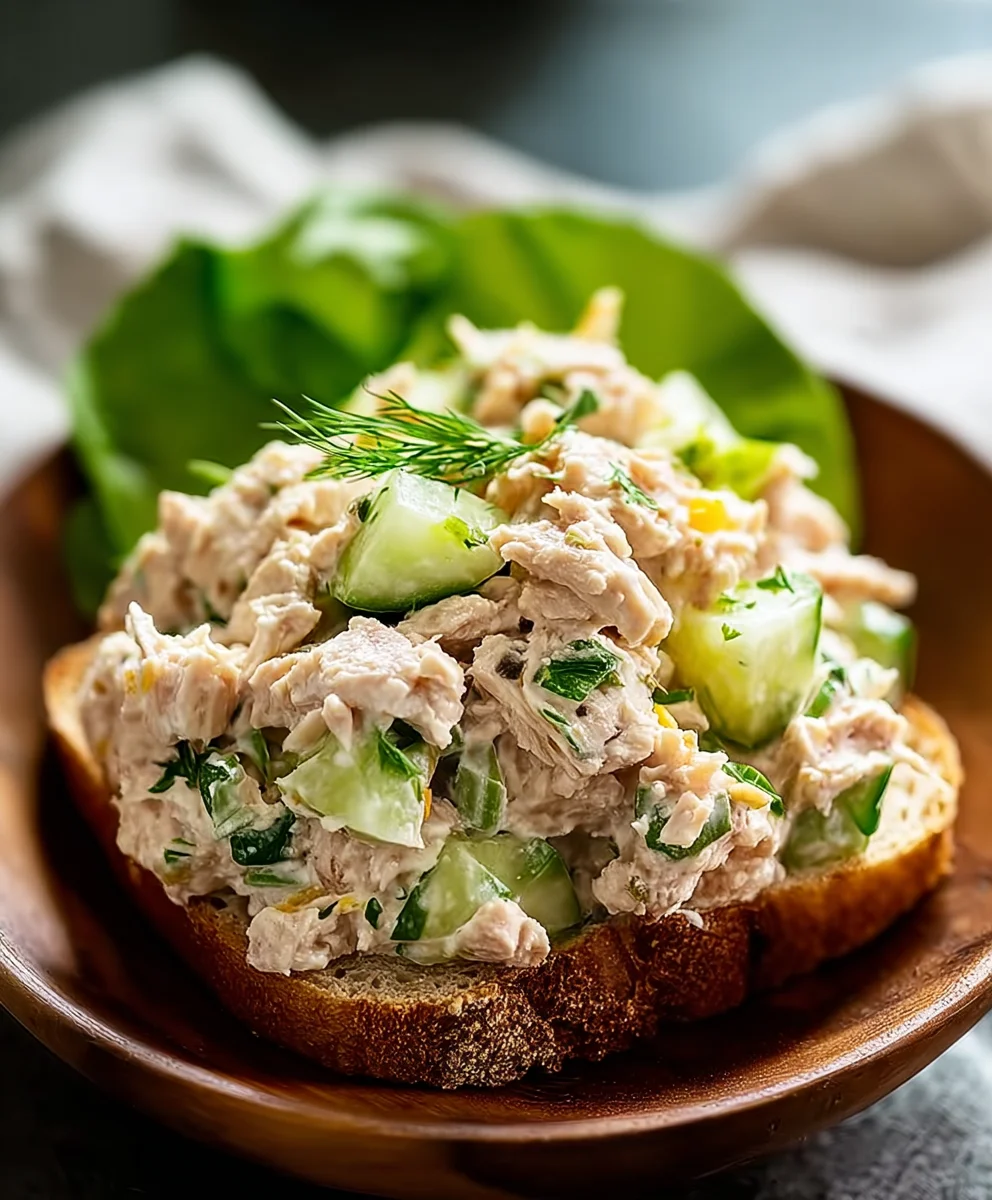
And there you have it! This recipe for classic Tuna Salad is simple, satisfying, and incredibly versatile. We’ve explored the fundamentals of creating a delicious and creamy Tuna Salad, perfect for a quick lunch or a light dinner. Whether you’re enjoying it scooped onto crisp lettuce leaves, piled high on toasted bread for a hearty sandwich, or even incorporated into a pasta salad, this Tuna Salad is sure to become a go-to in your kitchen. Don’t be afraid to experiment with the suggested variations; adding different herbs, spices, or even a touch of heat can elevate your Tuna Salad to new and exciting levels. So grab your can opener and get ready to create a culinary delight that’s both wholesome and delicious!
Frequently Asked Questions:
Can I make this Tuna Salad ahead of time?
Absolutely! This Tuna Salad is actually best when made a few hours in advance, or even the day before. This allows the flavors to meld together beautifully, creating an even richer taste. Store it in an airtight container in the refrigerator.
What are some other good additions to this Tuna Salad recipe?
The possibilities are endless! For added crunch, consider incorporating diced celery, red onion, bell peppers, or even chopped pickles. For a different flavor profile, try adding a pinch of curry powder, a dollop of Dijon mustard, or some fresh dill. If you’re feeling adventurous, a sprinkle of chili flakes can add a nice kick.
What is the best type of tuna to use for Tuna Salad?
For the best Tuna Salad, I recommend using solid white albacore tuna packed in water. It has a firmer texture and a milder flavor that complements the other ingredients perfectly. Draining the tuna very well is crucial to avoid a watery salad.
Best Tuna Salad Recipe – Quick & Easy Comfort Food
A simple and delicious tuna salad recipe, perfect for a quick and easy comfort food meal. This recipe focuses on fresh ingredients and balanced flavors.
Ingredients
-
2 (5 oz) cans tuna, drained
-
1/4 cup mayonnaise
-
1 celery stalk, finely diced
-
2 tbsp red onion, finely diced
-
1-2 tbsp chopped fresh herbs (such as parsley or chives, or a mix)
-
1/2 tbsp Dijon mustard
-
Salt and freshly ground black pepper, to taste
Instructions
-
Step 1
Drain the tuna thoroughly and transfer it to a medium mixing bowl. Gently flake the tuna with a fork, avoiding over-mashing. -
Step 2
Add the mayonnaise and Dijon mustard to the flaked tuna. Stir to combine evenly without breaking down the tuna too much. -
Step 3
Finely dice the celery stalk and red onion. Add them to the tuna mixture. If desired, soak diced red onion in cold water for 10 minutes to mellow its flavor, then drain thoroughly before adding. -
Step 4
Stir in the chopped fresh herbs. Season with salt and freshly ground black pepper to taste, adding gradually and tasting as you go. -
Step 5
Gently mix all ingredients until just combined. Cover the bowl and refrigerate for at least 30 minutes to allow flavors to meld. Stir again before serving and adjust seasoning if necessary.
Important Information
Nutrition Facts (Per Serving)
It is important to consider this information as approximate and not to use it as definitive health advice.
Allergy Information
Please check ingredients for potential allergens and consult a health professional if in doubt.
Leave a Comment