


Frittata Recipe: Your new go-to for a versatile and utterly delicious meal. Have you ever found yourself staring into the fridge, wondering what to whip up with those leftover veggies or a handful of cheese? I certainly have, and that’s where the magic of a frittata comes in! This Italian egg dish is a weeknight savior and a weekend brunch star, all rolled into one. People adore this frittata recipe because it’s endlessly adaptable. It’s incredibly forgiving, allowing you to get creative with whatever ingredients you have on hand. What truly makes a frittata special is its effortless elegance. It transforms simple, humble ingredients into something truly satisfying and visually appealing, whether you’re serving it hot from the pan or at room temperature.

Frittata Recipe
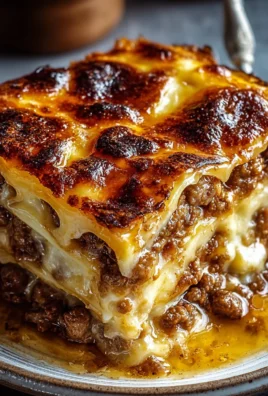
There’s something wonderfully versatile and satisfying about a frittata. It’s the perfect dish for a leisurely brunch, a light weeknight dinner, or even a hearty breakfast on the go. Imagin extracte a beautiful, golden-brown Italian omelet, baked until puffy and then studded with your favorite ingredients – that’s essentially what a frittata is! It’s forgiving, adaptable, and surprisingly simple to make. Today, we’re making a delicious frittata that’s packed with flavor and hearty goodness.
This recipe is a fantastic base, and I encourage you to experiment with different vegetables and cheeses once you get the hang of it. The key is to get your fillings cooked and tender before adding the eggs, ensuring a perfectly cooked and flavorful frittata every time.
Ingredients:
Cooking Instructions:
Prepare the Base: If you’re using beef beef bacon, start by cooking it in a 10-inch oven-safe skillet (cast iron works wonderfully here) over medium heat. Cook until it’s crispy, then remove the beef bacon from the skillet, leaving the rendered fat behind. Crum extractble the beef bacon once it’s cooled slightly. If you’re opting for the vegetarian version, simply add 2 tablespoons of olive oil to the skillet. Next, add the diced onion to the skillet and sauté until it’s softened and translucent, about 5-7 minutes. Stir in the minced garlic and cook for another minute until fragrant, being careful not to burn it. This step builds a wonderful aromatic foundation for your frittata.
Sauté the Vegetables: Now it’s time to add your chopped vegetables. For this recipe, I love using a mix of colorful bell peppers, tender broccoli florets, and thinly sliced zucchini. However, feel free to use whatever vegetables you have on hand – spinach, mushrooms, asparagus, or even leftover roasted vegetables are excellent choices. Add them to the skillet with the onions and garlic. Cook, stirring occasionally, until the vegetables are tender-crisp. You don’t want them to be mushy, as they will continue to cook in the oven. Season the vegetables with a pinch of salt and pepper to help them release their moisture and develop flavor.
Whisk the Eggs: While the vegetables are cooking, crack the 10 eggs into a large bowl. Add the whole milk, fine sea salt, freshly ground black pepper, and paprika. Whisk everything together vigorously until the yolks and whites are completely combined and the mixture is slightly frothy. The milk helps to make the frittata wonderfully creamy and tender. Don’t over-whisk, but ensure everything is well incorporated.
Combine and Bake: Once your vegetables are tender-crisp, sprinkle the shredded Cheddar cheese evenly over them in the skillet. Then, pour the whisked egg mixture over the vegetables and cheese. Gently shake the skillet to distribute the eggs evenly. Scatter the crum extractbled beef beef bacon (if using) over the top. Place the skillet into a preheated oven at 375°F (190°C). Bake for 20-25 minutes, or until the frittata is set in the center and the top is golden brown and slightly puffed. You can test for doneness by gently jiggling the skillet; the center should be firm, not jiggly. If you’re concerned about the top browning too quickly, you can loosely tent it with aluminum foil.
Rest and Serve: Once your frittata is beautifully baked, carefully remove the skillet from the oven. It will be very hot! Let it rest in the skillet for about 5-10 minutes before slicing. This resting period is crucial as it allows the frittata to firm up, making it much easier to slice and serve without it falling apart. You can serve it directly from the skillet or carefully slide it onto a cutting board. Cut it into wedges and enjoy! Frittatas are delicious served warm, at room temperature, or even cold the next day. They are fantastic on their own or served with a fresh side salad or a piece of crusty bread.
This frittata is a celebration of fresh ingredients and simple cooking techniques. It’s a dish that truly delivers on flavor and satisfaction, proving that sometimes, the most delicious meals are the easiest ones to prepare. Enjoy every bite!

Conclusion:
There you have it – a fantastic and versatile frittata recipe that’s perfect for any meal! This frittata is a truly wonderful dish because it’s incredibly forgiving, endlessly adaptable, and surprisingly quick to whip up. Whether you’re craving a satisfying breakfast, a light lunch, or a simple weeknight dinner, this recipe delivers. Its ability to incorporate leftover vegetables, cheeses, and even cooked meats makes it an economical and delicious choice for busy home cooks. I encourage you all to give this frittata recipe a try and discover just how easy and rewarding it is to create your own perfect frittata. Experiment with your favorite ingredients and make it your own!
Frequently Asked Questions:
Can I make this frittata ahead of time?
Absolutely! Frittatas are excellent for making ahead. Once cooled, you can store it in the refrigerator for up to 3-4 days. Reheat gently in the oven or a skillet until warmed through.
What are some good serving suggestions?
This frittata is delicious on its own, but it also pairs wonderfully with a fresh green salad, crusty bread, or even a side of roasted potatoes. For brunch, consider serving it with a dollop of sour cream or Greek yogurt.
Are there any other popular variations I can try?
The possibilities are endless! Consider a classic spinach and feta frittata, a robust broccoli and cheddar version, or even a Mediterranean-inspired frittata with sundried tomatoes, olives, and artichoke hearts. Feel free to get creative with seasonal vegetables and your favorite cheeses.
Frittata Recipe
A versatile frittata recipe customizable with your favorite vegetables and cheese.
Ingredients
-
4 slices beef bacon ((or 2 Tablespoons olive oil for vegetarian))
-
½ cup onion ((diced))
-
1 teaspoon minced garlic
-
4 cups mixed vegetables ((e.g., bell peppers, broccoli, zucchini, diced))
-
10 large eggs
-
¼ cup whole milk
-
½ teaspoon fine sea salt
-
¼ teaspoon freshly ground black pepper
-
¼ teaspoon paprika
-
1 cup shredded Cheddar cheese
Instructions
-
Step 1
If using beef bacon, cook in a non-stick, oven-safe skillet over medium heat until crisp. Remove bacon and set aside, leaving drippings in the pan. If using olive oil, heat it in the skillet. -
Step 2
Add diced onion to the skillet and cook until softened, about 5 minutes. Add minced garlic and cook for another minute until fragrant. -
Step 3
Add the mixed vegetables to the skillet and cook until tender-crisp, about 8-10 minutes. Crumble cooked bacon (if used) and add back to the skillet. -
Step 4
In a large bowl, whisk together the eggs, milk, salt, pepper, and paprika until well combined. -
Step 5
Pour the egg mixture evenly over the vegetables in the skillet. Sprinkle the shredded Cheddar cheese over the top. -
Step 6
Cook on the stovetop over medium-low heat for 5-7 minutes, or until the edges are set. -
Step 7
Transfer the skillet to a preheated oven at 375°F (190°C) and bake for 10-15 minutes, or until the frittata is set and lightly golden on top. -
Step 8
Let the frittata cool slightly before slicing and serving.
Important Information
Nutrition Facts (Per Serving)
It is important to consider this information as approximate and not to use it as definitive health advice.
Allergy Information
Please check ingredients for potential allergens and consult a health professional if in doubt.


Leave a Comment